
What to Do If a Tooth Gets Knocked Out: First Aid Steps Before You See a Dentist
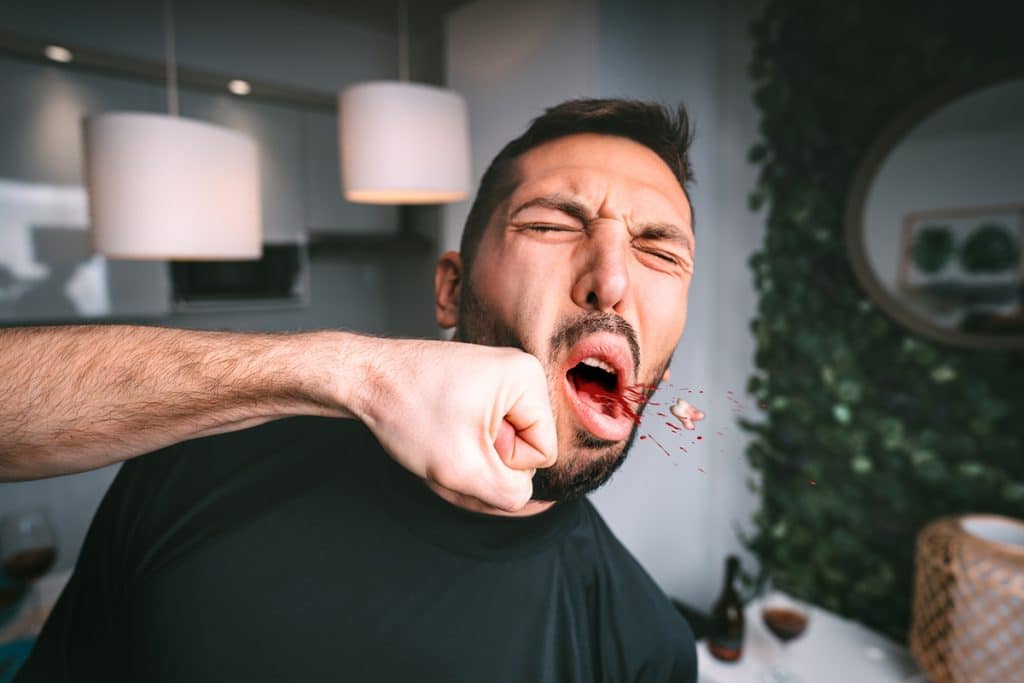
Experiencing a knocked-out tooth can be a frightening and stressful event, but knowing exactly how to react can make all the difference in saving your natural smile. When an accident happens, whether it is during a sports game, a sudden fall, or an unexpected collision, time is your most critical factor. The delicate root cells of your tooth begin to die off very quickly once they are outside the protective environment of your gums. Acting swiftly and calmly increases the chances that your dentist can successfully re-implant the tooth and restore your smile without the need for extensive restorative procedures down the road.
We want you to feel prepared and confident in knowing how to handle sudden dental emergencies in Amarillo so you can protect your oral health when every minute counts. By understanding the immediate first aid steps to take, you empower yourself to act decisively during a chaotic moment. Your quick response, paired with emergency dental care, forms the best line of defense for keeping your natural tooth intact and healthy for years to come.
Immediate Steps to Take When a Tooth is Dislodged
The moments immediately following a dental injury dictate the likelihood of saving your tooth, so your priority is to locate the dislodged tooth safely and quickly. Once you find it, you must handle it with the utmost care to protect the fragile periodontal ligament cells attached to the root. Always pick up the tooth by the chewing surface, known as the crown, and never touch the root itself. Touching the root can cause irreversible damage to the microscopic cells that are essential for successful reattachment. If the tooth has picked up dirt or debris from falling on the ground, gently rinse it with milk or a sterile saline solution. Do not use soap, do not scrub the tooth, and do not wrap it in a tissue or cloth, as these actions will strip away the vital tissues necessary for healing.
If possible, your best option is to gently guide the tooth right back into its socket immediately after rinsing it. You can hold it in place by lightly biting down on a clean piece of gauze or a moistened tea bag to maintain steady pressure. Doing this keeps the tooth in its natural environment, which drastically improves its survival rate while you make your way to the dental office. However, we understand that reinserting the tooth yourself is not always possible, especially if the injured person is a young child who might accidentally swallow it, or if the pain is too severe. If you cannot place the tooth back into the socket, do not force it; instead, move immediately to preserving the tooth in a safe medium.
How to Preserve Your Tooth Safely During Transport
If you cannot safely reinsert the knocked-out tooth into the socket, your next crucial step is to keep the tooth moist in a suitable environment while you travel to your dentist. A tooth that dries out will quickly lose its viability, meaning the cells on the root surface will die, making successful re-implantation almost impossible. The most accessible and effective storage medium for a knocked-out tooth is cold, whole milk. Milk has a compatible protein balance and fluid pressure that mimics the natural environment of the tooth, helping to keep the root cells alive for a short window of time. Alternatively, you can use a specialized tooth preservation kit if you happen to have one in your first aid supplies, or a sterile saline solution.
If neither milk nor saline is available, the injured person can carefully hold the tooth inside their cheek or under their tongue to keep it bathed in their own saliva. Please exercise extreme caution with this method to ensure the tooth is not accidentally swallowed or inhaled. You should strictly avoid storing the tooth in regular tap water, as the lack of compatible minerals and the presence of chlorine will cause the delicate root cells to swell and burst, destroying any chance of saving the tooth. By keeping the tooth properly hydrated in an appropriate medium, you give our dental team the best possible opportunity to rescue your smile.
Why You Must See a Dentist Promptly and What to Expect
Time is of the essence when dealing with an avulsed tooth, and you should ideally receive professional dental care within thirty to sixty minutes of the injury. Getting to the dentist quickly provides the highest probability that the tooth will reattach to the bone and surrounding gum tissue successfully. When you arrive at our office, our caring team will immediately assess the injury, take necessary digital X-rays to check for underlying bone damage, and ensure you are comfortable and free from pain. If you were unable to reinsert the tooth yourself, we will carefully clean the socket and gently place the tooth back into its proper position using specialized techniques.
Once the tooth is back in place, we will typically stabilize it by splinting it to the adjacent healthy teeth. This splint acts much like a cast on a broken arm, holding the tooth perfectly still so the ligaments and bone can heal around it over the next couple of weeks. Depending on the stage of root development and the time the tooth spent outside the mouth, you may require a follow-up root canal treatment a few weeks later to prevent infection and ensure the long-term health of the tooth. We will guide you through every step of the recovery process, providing detailed aftercare instructions and scheduling follow-up visits to monitor your healing journey closely.
Protecting Your Smile After a Dental Injury
Experiencing a knocked-out tooth is an alarming situation, but taking immediate, calm action gives you an excellent chance of saving your natural smile. By locating the tooth, handling it only by the crown, keeping it moist in milk or your own saliva, and seeking emergency dental care immediately, you take control of an unpredictable situation. We deeply care about the health and well-being of our community, and our team is always ready to step in with the compassionate, expert care you need during a crisis. Remember that time is your greatest ally in these situations, so prioritize getting to our office safely and swiftly to give your tooth the absolute best chance at a full recovery.
Frequently Asked Questions About Dental Emergencies
What should I do if a baby tooth gets knocked out?
If your child knocks out a primary tooth, also known as a baby tooth, you should not try to push it back into the socket. Reinserting a baby tooth can cause serious damage to the permanent tooth developing underneath the gums. Instead, keep your child calm, apply gentle pressure with a clean gauze to stop any bleeding, and contact our office right away so we can examine the area and ensure no further damage occurs.
How do I manage the pain and bleeding before reaching the dental office?
To manage bleeding, have the injured person bite down gently but firmly on a clean, damp piece of gauze or a wet tea bag. The tannic acid in tea can actually help form a clot to slow the bleeding. For pain and swelling, you can apply a cold compress to the outside of the face near the injured area. Avoid taking aspirin, as it can increase bleeding, and instead opt for over-the-counter pain relievers like ibuprofen or acetaminophen if needed.
Amarillo Dental Associates is a truly family-based dental practice dedicated to providing a warm, comfortable, and relaxing environment for everyone who walks through our doors. We love caring for you, your children, your parents, and your grandparents by offering a comprehensive list of services to meet the needs of your whole family. If you or a loved one ever faces a dental emergency, pleaseschedule an appointmentwith us immediately so we can provide the compassionate care you deserve.