
Temporary vs. Permanent Crowns: What to Expect in Between
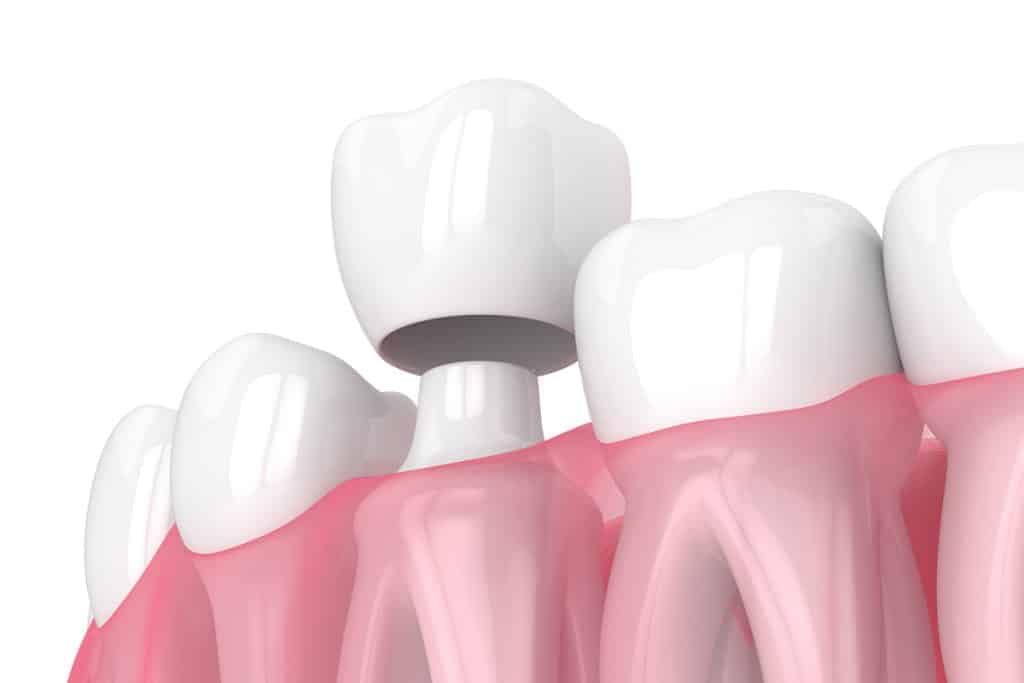
When your dentist tells you that you need a dental crown, it can feel like a big step in your oral health journey. Crowns are a fantastic solution for restoring damaged teeth, protecting weak ones, or improving your smile's appearance. However, the process usually involves two separate stages: wearing a temporary crown while your permanent one is being custom-made. It is completely normal to have questions about what happens during this waiting period and how the two types of crowns differ.
Understanding the journey from a temporary restoration to your final smile helps alleviate anxiety and ensures you know exactly how to care for your tooth in the meantime. We believe that an informed patient is a happy patient. By knowing what to expect during each phase of treatment, you can feel confident and comfortable throughout the process. In this guide, we will walk you through the distinct roles of temporary and permanent crowns, how to handle the transition, and the long-term benefits awaiting you at the finish line.
The Role of Your Temporary Crown
Once your tooth has been prepared for a crown, we don't send you home with an unprotected tooth. Instead, we place a temporary crown. Think of this as a placeholder or a "test drive" for your final restoration. This interim cap serves several crucial purposes while the dental laboratory crafts your permanent solution. Its primary job is to protect the prepared tooth, which may be sensitive to temperature and pressure because some enamel has been removed. It shields the inner layers of the tooth from bacteria and prevents food from getting stuck in the area.
Another vital function of the temporary crown is to hold the space for your final restoration. Teeth can shift surprisingly quickly if they aren't held in place. The temporary crown ensures that the surrounding teeth don't drift into the gap and that the opposing tooth doesn't erupt further down or up to meet the space. It also helps your gum tissue remain in the correct position so that the permanent crown fits perfectly when it arrives. While temporary crowns are functional, they are not designed to last forever. They are typically made from acrylic or stainless steel, materials that are softer and less durable than the porcelain or zirconia used for permanent crowns. Because they are held in place with temporary cement, you will need to be careful with sticky or hard foods to avoid dislodging them.
The Journey from Temporary to Permanent
The transition period usually lasts about two weeks. During this time, the dental lab is busy using the precise impressions we took of your mouth to sculpt a permanent crown that matches the shape, size, and color of your natural teeth. While you wait, your experience with the temporary crown is important. It allows you to get used to the feel of a restoration in that part of your mouth. If the bite feels slightly off or high on the temporary crown, let us know immediately. Adjusting the temporary can give us valuable information to ensure the permanent one is perfect.
When your permanent crown is ready, you will return to our office for the final placement. We will gently remove the temporary crown and clean the underlying tooth to remove any temporary cement residue. This is usually a quick and painless process. Then, we try on the new permanent crown. We check the fit, the bite, and the aesthetics to ensure it blends seamlessly with your smile. You might be asked to bite down on a piece of marking paper to see how your teeth come together. Once we are certain everything is perfect, we bond the new crown to your tooth using a strong, permanent dental adhesive. This marks the end of the transition and the beginning of a restored, fully functional smile.
Why Permanent Crowns Are Worth the Wait
While the temporary crown does a good job of protecting your tooth, the permanent crown is where the real magic happens. Permanent crowns are designed for durability, aesthetics, and long-term function. They are typically crafted from high-quality materials like porcelain, ceramic, or zirconia, which mimic the light-reflecting properties of natural enamel. This means that once your permanent crown is in place, it will be virtually indistinguishable from your other teeth. Unlike the acrylic of a temporary crown, these materials are highly resistant to staining and wear, allowing you to enjoy your favorite foods and drinks with confidence.
Beyond aesthetics, permanent crowns restore full chewing function. Because they are bonded with permanent cement and made of stronger materials, they can withstand the significant forces of biting and chewing that a temporary crown cannot. This protects the underlying tooth structure from fracture and decay for many years, often decades, with proper care. Investing in dental crowns in Amarillo, TX, is an investment in your overall health. By restoring the integrity of a damaged tooth, you are preventing potential extraction and the need for more complex replacements like bridges or implants down the road. The stability and strength provided by a permanent crown allow you to speak, smile, and eat comfortably, significantly improving your quality of life.
Summarizing Your Dental Crown Journey
Navigating the process of getting a dental crown is a partnership between you and your dental team. From the initial preparation and placement of the temporary crown to the final bonding of your permanent restoration, every step is designed to ensure your comfort and long-term oral health. The temporary phase protects your tooth and preserves spacing, while the permanent phase delivers the strength and beauty your smile deserves. We hope this guide has clarified what to expect "in between" so you can approach your appointment with confidence. If you think you might need a crown or have any lingering concerns about the process, we are here to help you achieve a healthy, beautiful smile.
Frequently Asked Questions About Dental Crowns
How long do I have to wear a temporary crown?
Typically, you will wear a temporary crown for about two weeks. This is the standard time required for a dental laboratory to custom-craft your permanent crown to precise specifications. However, every case is unique. If you require more complex restorative work, the timeline might vary slightly. We will always give you a clear estimate of the turnaround time during your appointment so you can plan accordingly.
What happens if my temporary crown falls off?
While it doesn't happen often, a temporary crown can come loose because it is attached with temporary cement designed for easy removal. If this happens, don't panic! It is not a dental emergency, but you should contact us as soon as possible to have it recemented. In the meantime, you can place a small amount of toothpaste or denture adhesive inside the crown and gently place it back over your tooth to protect it from sensitivity and keep the space open until you can see us. Avoid chewing on that side of your mouth until it is professionally reattached.
At Amarillo Dental Associates, we are proud to treat our patients like family, providing comprehensive dental care to the Amarillo community since 1975. We invite you to schedule an appointment with our experienced team to discuss how we can help restore your smile.