
How Missing Teeth Affect Your Bite If Left Untreated
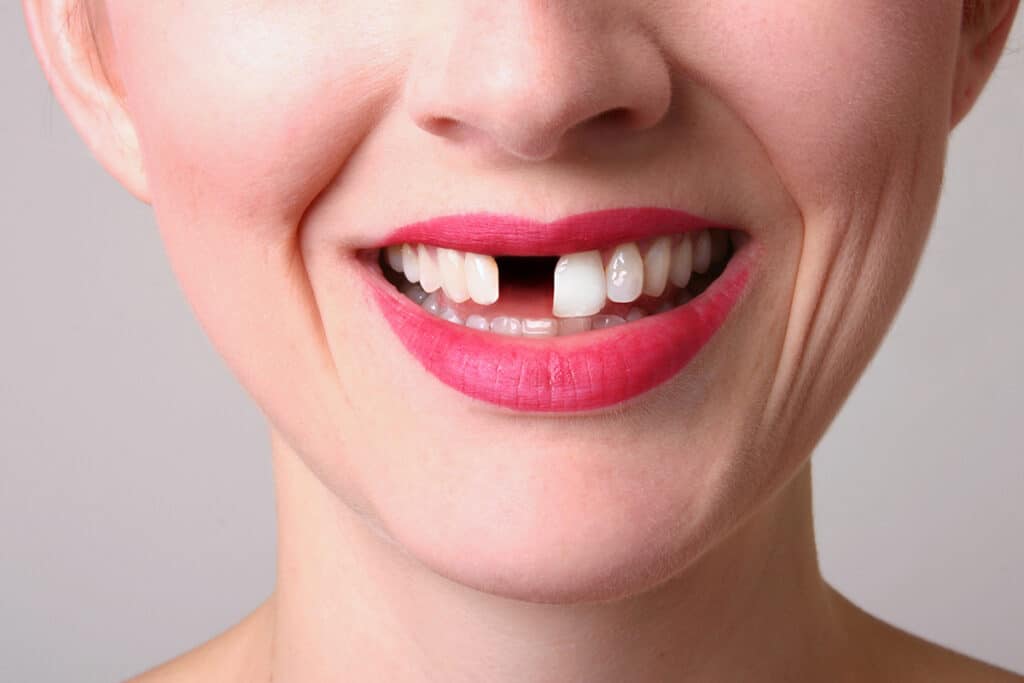
Losing a tooth can change much more than the appearance of your smile. Each tooth plays a role in helping your upper and lower teeth come together properly when you bite and chew. When a tooth is missing, that balance can gradually change. Neighboring teeth may move, chewing pressure may become uneven, and other areas of your mouth may have to work harder to compensate.
At Amarillo Dental Associates, we believe restoring missing teeth is an important part of maintaining a healthy, comfortable smile. Restorative solutions such as dental bridges can replace missing teeth while helping restore function and balance to your bite. Understanding what can happen when tooth loss is left untreated can help you make informed decisions about your long-term oral health.
Why Missing Teeth Can Change the Way You Bite
Your teeth work together as a system. When you close your mouth, the upper and lower teeth are meant to meet in a way that distributes pressure while you bite and chew. Losing even one tooth can disrupt that relationship.
An open space gives neighboring teeth room to shift toward the gap. As their positions change, your teeth may no longer meet the same way they once did. Amarillo Dental Associates notes that missing teeth can lead to misalignment as nearby teeth move into empty spaces. Over time, these changes can contribute to uneven wear on surrounding teeth and discomfort in the jaw.
You may also start adjusting the way you chew without realizing it. If one side of your mouth feels less effective because of a missing tooth, you might favor the other side. This can place additional pressure on certain teeth and affect the muscles involved in chewing. Our practice emphasizes that a damaged or missing tooth can make everyday activities such as eating and speaking more difficult, while an unbalanced bite can place extra pressure on nearby teeth.
These changes may happen gradually. You might become accustomed to chewing differently and not notice that your bite has changed until you begin experiencing discomfort, uneven tooth wear, or additional dental concerns.
What Happens When Missing Teeth Are Left Untreated?
One of the biggest concerns with an untreated missing tooth is that the effects may extend beyond the original gap. Tooth movement can create new spacing and alignment problems, potentially making certain areas more difficult to clean.
When teeth shift out of their normal positions, brushing and flossing may become more challenging. Amarillo Dental Associates explains that movement into an open space can make cleaning more difficult and may increase the risk of decay or gum problems.
Uneven chewing pressure is another concern. When fewer teeth are available to share the workload, the remaining teeth may experience greater stress. Some teeth can wear faster than others, while the muscles in your jaw may also be affected by changes in how you chew.
Tooth loss can affect the bone beneath the missing tooth as well. The practice notes that bone loss may occur in an area where a tooth is missing, potentially affecting the shape and support of the smile over time.
There can also be practical effects in everyday life. Depending on where the missing tooth is located, you may find it harder to bite into certain foods or chew comfortably. Some people may also become more aware of the gap when speaking or smiling.
Replacing a missing tooth is therefore about more than filling an empty space. Restorative treatment can help bring balance back to the mouth, improve chewing function, and reduce unnecessary stress on the teeth that remain.
How Dental Bridges Can Help Restore Your Bite
Dental bridges are one restorative option for replacing missing teeth. Amarillo Dental Associates offers dental bridges for patients who are missing one or more adjacent teeth. A bridge includes a replacement tooth, known as a pontic, that fills the open space. The restoration is supported by abutments, which may involve crowns placed on natural teeth or dental implants.
By filling the gap, a bridge helps restore the part of your smile that was lost. This can improve chewing ability and support better overall function. Amarillo Dental Associates describes bridges as a way to replace missing teeth without relying on a removable denture, and the practice offers traditional, cantilever, implant-supported, and Maryland bridge options.
Traditional bridges are among the most common options. With this type of restoration, teeth on either side of the gap are prepared for crowns. The replacement tooth is connected between these crowned teeth, creating a fixed restoration.
For several adjacent missing teeth, an implant-supported bridge may be another possibility. Instead of relying only on natural teeth for support, dental implants can serve as abutments for the bridge. Amarillo Dental Associates notes that implant-supported bridges can provide secure support and may be particularly helpful when several neighboring teeth are missing.
The appropriate treatment depends on several factors, including the location and number of missing teeth and the condition of the surrounding teeth. Dental bridges are only one restorative option. Amarillo Dental Associates also provides dental implants and dentures for replacing missing teeth, allowing treatment to be tailored to each patient's needs.
Why Replacing Missing Teeth Sooner Can Matter
It can be tempting to postpone treatment when a missing tooth is not causing immediate pain, especially when the gap is toward the back of the mouth and is not visible when you smile. However, the absence of pain does not necessarily mean the missing tooth is having no effect.
Changes in tooth position, bite balance, and chewing habits may develop over time. Addressing tooth loss can help restore spacing before neighboring teeth have more opportunity to shift. Restorative care can also help distribute chewing pressure more naturally across your smile.
Replacing a missing tooth may make eating more comfortable as well. A balanced bite allows your teeth to work together instead of forcing certain areas of the mouth to compensate for what is missing.
There is also a cosmetic benefit. A complete smile can help many patients feel more confident when speaking, laughing, and interacting with others. Amarillo Dental Associates describes dental bridges as restorations that can improve both appearance and chewing ability, making them a practical option for addressing the functional and cosmetic effects of tooth loss.
The sooner you have a missing tooth evaluated, the sooner your dentist can explain what is happening in your mouth and discuss which replacement options may be appropriate. You do not have to wait until shifting, discomfort, or difficulty chewing becomes severe before exploring restorative treatment.
Restore Balance to Your Smile at Amarillo Dental Associates
Missing teeth can affect your bite, chewing ability, surrounding teeth, and long-term oral health. Replacing them can help restore a healthier balance and make everyday activities such as eating and speaking more comfortable.
Amarillo Dental Associates provides comprehensive restorative dentistry for patients in Amarillo and throughout the surrounding Texas Panhandle. Our team can evaluate your smile, discuss options such as dental bridges, dental implants, and dentures, and help determine an appropriate way to restore missing teeth. The practice has served the Amarillo community since 1975 and focuses on providing comprehensive care in a comfortable, family-oriented environment.
Frequently Asked Questions About Dental Bridges
Can a dental bridge improve my bite?
A dental bridge replaces teeth that are missing from your smile, helping restore chewing function in the affected area. By filling the space left behind by tooth loss, a bridge can help bring better balance and function back to your mouth.
How many missing teeth can a dental bridge replace?
A bridge may be used to replace one tooth or several adjacent missing teeth. When several neighboring teeth are missing, dental implants may sometimes be used to support the bridge.
What is a traditional dental bridge?
A traditional bridge uses crowned teeth on either side of the missing tooth or teeth as supports. One or more replacement teeth are positioned between these crowns to complete the restoration.
Are dental bridges the only option for missing teeth?
No. Amarillo Dental Associates offers several restorative options for missing teeth, including bridges, dental implants, and dentures. The right solution depends on your individual dental needs and the number and location of the teeth that need to be replaced.
Should I replace a missing tooth if it does not hurt?
A missing tooth can affect your oral health even when it is not painful. Nearby teeth may shift toward the empty space, your bite may change, and you may place uneven pressure on other teeth while chewing.
We are Amarillo Dental Associates, a privately owned, family-based dental practice that has provided comprehensive dental care to the Amarillo community since 1975. We combine modern dental technology with personalized care built around compassion, honesty, and integrity. If you are concerned about missing teeth or want to explore your restorative options, we are here to help you find a solution that supports a healthy, comfortable smile. Contact us today to schedule a consultation.