
How Dental Implants Help Preserve Jawbone Health
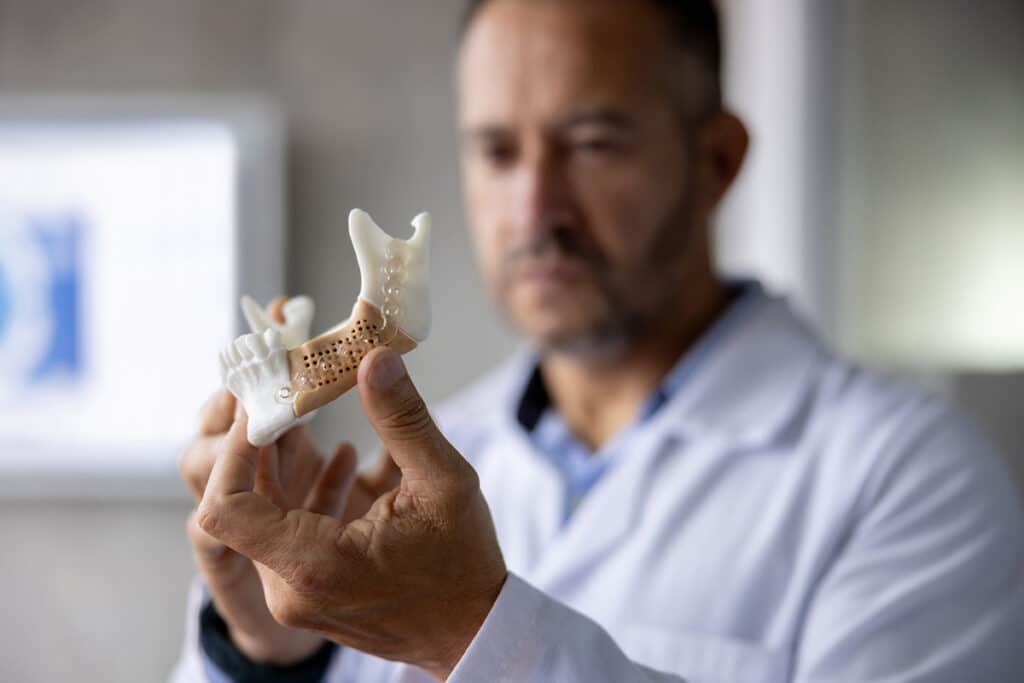
When you lose a tooth, the effects reach deeper than the gap you see in the mirror. Beneath the surface, your jawbone begins to change too, and that quiet loss can shape your smile, your bite, and even the look of your face over time. We believe you deserve to understand what happens after tooth loss, because knowing the whole picture helps you make choices that protect your health for years to come.
That's where dental implants come in. Among all the ways to replace a missing tooth, implants stand out because they do something no other option can — they help keep your jawbone healthy and strong. In this article, we'll walk you through how tooth loss affects the bone, how implants step in to support it, and what those benefits mean for your smile and your face in the long run.
Why Tooth Loss Leads to Jawbone Deterioration
Your teeth do more than help you chew and smile. Each tooth root sits in your jawbone and sends it a steady signal every time you bite down. That gentle pressure tells your body to keep the bone nourished, dense, and healthy. The reason is simple. Bone is living tissue, and it stays strong when it's being used.
When a tooth goes missing, that signal stops. Without the daily stimulation of a root pressing into it, the bone in that area slowly begins to shrink — a process dentists call resorption. Studies show the jaw can lose a noticeable amount of its width in the first year after tooth loss, and the decline continues over time. Left unaddressed, this can loosen neighboring teeth, change your bite, and make future treatment more complicated. It's a quiet problem, but it's a real one, and it's one we want you to be aware of before it grows.
How Implants Stimulate the Jawbone Like Natural Tooth Roots
Here's the good news. A dental implant is designed to replace not just the visible part of your tooth, but the root as well. We place a small titanium post into your jawbone, where it fuses with the bone through a natural process called osseointegration. Once healed, the implant acts as a sturdy anchor for a crown, bridge, or denture that looks and feels like your own tooth.
The real magic happens below the gumline. Because the implant is rooted in the bone, it restores that missing pressure every time you chew and speak. Your body reads those signals the same way it did with your natural tooth, so it keeps sending nourishment to the area. This is what sets implants apart from bridges or traditional dentures, which rest on top of the gums and do nothing to stimulate the bone beneath. When you choose dental implants in Amarillo, TX, you're not only filling a gap — you're giving your jaw a reason to stay strong.
Long-Term Benefits for Your Bone and Facial Structure
The advantages of preserving your jawbone go far beyond the tooth itself. A healthy jaw supports the muscles and tissues of your face, keeping your features full and balanced. When bone is lost, the lower third of the face can begin to look sunken, lips may lose their support, and the skin around the mouth can wrinkle earlier than it should. By maintaining bone volume, implants help protect the natural shape of your face over the years.
There's a practical side too. A stable jawbone keeps your surrounding teeth properly aligned, which protects your bite and makes everyday chewing comfortable and reliable. Implants are built to last, and with good care they can serve you for decades — often a lifetime. That means fewer replacements, fewer complications, and more confidence in the way you eat, speak, and smile. We treat every patient the way we would want to be treated, and for many people, that means recommending a solution that safeguards their health well into the future.
A Healthier Smile Starts Beneath the Surface
Replacing a missing tooth is about far more than appearance, though a complete smile certainly feels wonderful. It's about protecting the foundation that keeps your whole mouth working the way it should. Dental implants remain the only tooth replacement that actively preserves your jawbone, supports your facial structure, and restores full function all at once. When you understand what's happening beneath the surface, the value of that becomes clear. If you've lost a tooth or are facing an extraction, we encourage you to explore your options sooner rather than later, while more of your natural bone is still there to protect. We'd be honored to walk that path with you.
Frequently Asked Questions About Dental Implants
How soon after losing a tooth should I get an implant?
The sooner, the better in most cases. Bone loss begins within months of losing a tooth, so acting early means more of your natural bone is available to support the implant. That said, everyone's situation is different, and we'll examine your mouth carefully to recommend the right timing for you.
Can I still get an implant if I've already lost some jawbone?
Yes, often you can. When bone has already thinned, we may recommend a bone graft to rebuild the area before placing the implant. This helps create a strong, stable foundation, and many patients who were once told implants weren't an option are able to move forward after grafting.
Do dental implants really prevent bone loss?
They do, and this is one of their greatest strengths. Because an implant replaces the tooth root, it restores the natural pressure that keeps your jawbone stimulated and healthy. No other tooth replacement — including bridges or removable dentures — offers this same protection.
How long do dental implants last?
With proper care, implants can last decades and frequently a lifetime. Brushing, flossing, and regular checkups keep the surrounding gums and bone healthy. We'll show you exactly how to care for your implant so it serves you well for years to come.
Is getting a dental implant painful?
Most patients are surprised by how comfortable the process is. We use gentle techniques and effective numbing to keep you at ease during placement, and any soreness afterward is usually mild and short-lived. Your comfort matters to us at every step, and we'll make sure you feel supported throughout.
Since 1975, Amarillo Dental Associates has been a family-based dental practice caring for you, your children, your parents, and your grandparents. Led by Amarillo natives Dr. Ryan A. Street and Dr. Ryan D. Hyde, we provide comprehensive care to friends and neighbors throughout Amarillo, TX, and the surrounding Panhandle. If you're ready to protect your smile and your jawbone health, we invite you to schedule an appointment with our team.