
Early Warning Signs of Gum Disease You Shouldn't Ignore
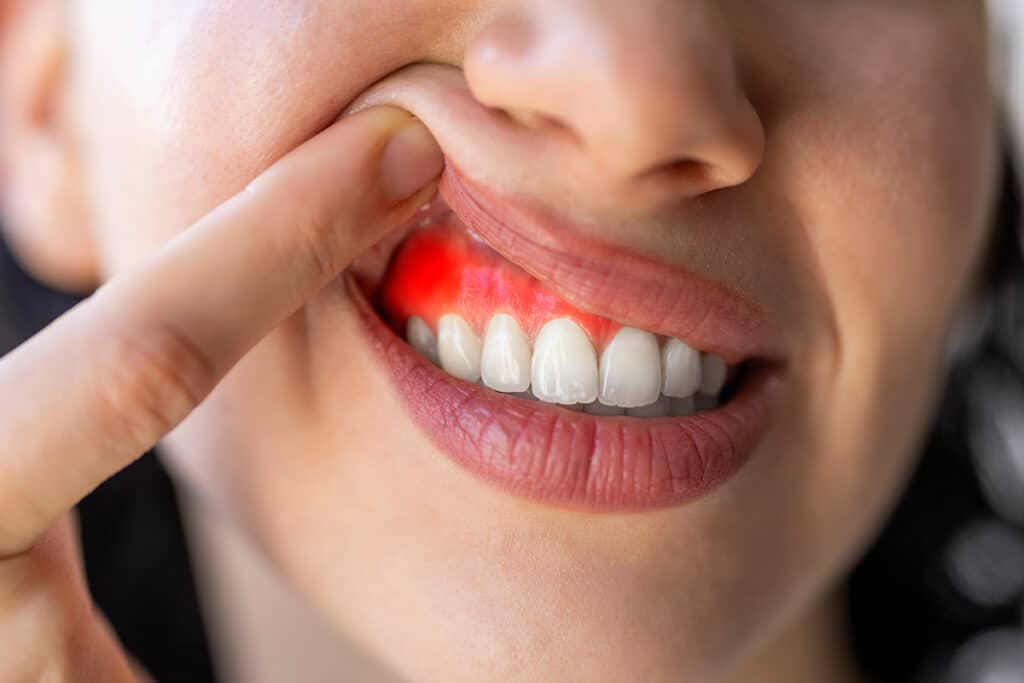
We have cared for families in Amarillo since 1975, and we have learned one thing over and over again: gum disease rarely announces itself loudly. It starts quietly. A little blood in the sink. Gums that look a bit puffier than usual. Most people brush it off and move on with their day.
That is exactly why we want to talk about it. When you catch gum disease early, treatment is simpler, gentler, and far more successful. When it goes unnoticed for years, it can lead to lost teeth and bone damage. The good news is that your gums send you signals long before things get serious. Here are the warning signs we hope you will never ignore, and what each one is trying to tell you.
Bleeding or Swollen Gums
Healthy gums do not bleed when you brush or floss. If you spot pink in the sink after cleaning your teeth, your gums are telling you something. That bleeding is usually the first sign of gingivitis, the earliest stage of gum disease. It happens when plaque builds up along the gumline and irritates the soft tissue.
We understand the temptation to brush more softly and hope the bleeding stops. The reason it keeps happening is simple. The bacteria causing the irritation are still there. Swollen, red, or tender gums fall into this same category. Gums that look inflamed or feel sore are inflamed for a reason. The encouraging part is that gingivitis is reversible. With a professional cleaning and better daily habits, your gums can bounce back to full health. We would rather see you at this stage than any other.
Persistent Bad Breath and Receding Gums
Everyone has a bad breath day now and then. But breath that stays bad no matter how much you brush, floss, or chew gum is different. Persistent bad breath often points to bacteria living below the gumline, where your toothbrush cannot reach. That lingering odor is a signal worth paying attention to, not covering up.
Gum recession is another sign people tend to miss because it happens so slowly. You might notice your teeth look longer than they used to, or feel a new sensitivity to hot and cold. When gums pull away from the teeth, they expose the roots and create small spaces where bacteria collect. Recession does not reverse on its own, so early attention matters. If you notice either of these changes, professional gum disease treatment in Amarillo, TX can stop the progression before it reaches the bone.
Loose Teeth and Deepening Pockets
By the time teeth begin to feel loose, gum disease has usually advanced to periodontitis. This is the stage where the infection reaches the bone and ligaments that hold your teeth in place. A tooth that shifts, wiggles, or feels different when you bite down is a serious warning. We want you to know it is not too late to act, but it does mean time matters.
Deepening periodontal pockets go hand in hand with loose teeth. When we measure your gums during an exam, we check the small space between the gum and the tooth. Healthy pockets stay shallow. As disease progresses, those pockets grow deeper and trap more bacteria. You cannot see or feel this on your own, which is one reason regular checkups matter so much. Treatments like scaling and root planing, pocket reduction, and bone grafting can help save teeth that might otherwise be lost.
Small Signs Are Worth a Big Response
Your gums are honest. They tell you the truth long before a problem becomes painful or costly. Bleeding, swelling, stubborn bad breath, recession, sensitivity, and loose teeth are all messages, and the earlier you respond, the easier the path forward. We have spent decades helping our neighbors keep their natural smiles, and it almost always begins with catching the little signs early. If anything here sounds familiar, please do not wait. Call us, tell us what you have noticed, and let us take a look together.
Frequently Asked Questions About Periodontal Services
What is the difference between gingivitis and periodontitis?
Gingivitis is the early, reversible stage of gum disease. It causes red, swollen gums that may bleed, but the bone and ligaments are still healthy. Periodontitis is the advanced stage, where the infection reaches the bone and can loosen teeth. The sooner we treat it, the better chance we have at keeping the disease from progressing.
Is gum disease treatment painful?
Most periodontal treatments are far more comfortable than patients expect. We use gentle techniques and local numbing so you stay relaxed throughout. Many treatments, like deep cleanings, cause only mild soreness afterward that fades quickly. We will always explain each step before we begin.
How often should I have my gums checked?
We recommend a checkup and professional cleaning every six months for most patients. If you have a history of gum disease, we may suggest more frequent visits to keep things stable. These regular visits let us measure your gum pockets and catch changes early. Prevention is always easier than treatment.
Can gum disease affect the rest of my health?
Yes. Research links advanced gum disease to conditions like heart disease and diabetes. The bacteria that cause gum infections can affect more than your mouth. Caring for your gums is part of caring for your whole body, and we take that seriously for every member of your family.
What treatments do you offer for gum disease?
We provide a full range of periodontal care, including deep cleanings (scaling and root planing), pocket depth reduction, and bone grafting. Our goal is always to save your natural teeth when we can. We tailor each treatment plan to your needs and explain your options clearly.
Amarillo Dental Associates is a family-owned dental practice serving Amarillo, TX, and the surrounding Panhandle since 1975. Under Dr. Ryan A. Street and Dr. Ryan D. Hyde, we care for every member of your family with compassion, honesty, and the attention you deserve. We would love to welcome you to our practice, so please schedule an appointment today.