
What Happens If You Delay a Needed Root Canal?
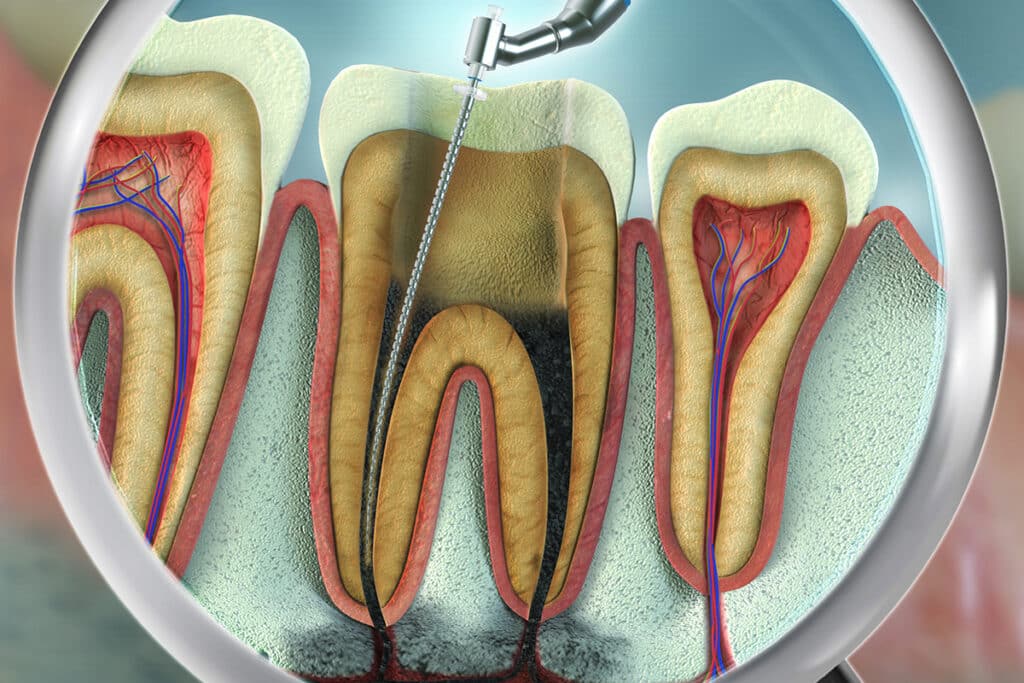
When your dentist recommends a root canal, it can be tempting to put it off. Maybe the pain has faded for now, or maybe the idea of the procedure feels bigger than the problem. We understand those feelings, and we want you to know we're here to help you make a confident decision.
The trouble is that a tooth needing a root canal rarely heals on its own. The infection inside the tooth keeps working quietly, even when the discomfort comes and goes. Waiting doesn't make the problem smaller. It usually makes treatment harder, more expensive, and more painful down the road. Here's what really happens when a needed root canal gets delayed, and why acting sooner protects both your smile and your health.
The Infection Spreads, and the Pain Gets Worse
A root canal becomes necessary when the soft tissue inside your tooth, called the pulp, gets infected or badly inflamed. That infection doesn't stay put. Left alone, it travels down through the root and into the surrounding bone and gum tissue. What starts as a sensitive tooth can grow into a throbbing, constant ache that keeps you up at night.
Over time, the infection can form an abscess, which is a painful pocket of pus at the tip of the root. An abscess often brings swelling in the face or jaw, a bad taste in your mouth, and pain that over-the-counter medicine can no longer touch. The reason is simple. Once bacteria have a foothold, only professional care can clear it. A timely root canal treatment removes the infection and stops the pain at its source before it takes over your day.
Your Tooth May Be Lost for Good
The whole purpose of a root canal is to save your natural tooth. When you wait too long, that window can close. As the infection eats away at the inner structure and the bone around the root, the tooth becomes too damaged to repair. At that point, extraction is often the only choice left.
Losing a tooth sets off a chain reaction you'd rather avoid. The neighboring teeth can shift into the space, your bite changes, and the jawbone beneath the gap begins to shrink. Replacing a missing tooth with an implant or bridge is possible, and we're glad to help when it's needed. But keeping your own healthy tooth is almost always the better path. Saving it now spares you a more involved and costly road later.
The Costs Add Up, and Your Whole Body Feels It
Delaying care rarely saves money. A root canal caught early is a fairly straightforward procedure. Wait too long, and you may need additional treatments like drainage of an abscess, a crown, an extraction, and eventually a replacement tooth. Each added step means more time in the chair and more cost out of pocket.
The bigger concern is your overall health. Your mouth is connected to the rest of your body, and an untreated dental infection doesn't stay isolated. In serious cases, bacteria can enter the bloodstream and affect other areas, leading to complications that reach far beyond your tooth. We treat our patients the way we would want to be treated, with honesty and care, and that means telling you plainly: an infection is not something to ride out. Addressing it early keeps a small problem from becoming a health risk.
Take Care of Your Smile Sooner, Not Later
A root canal has a reputation it doesn't deserve. Thanks to modern techniques and gentle care, the procedure relieves pain rather than causing it, and it lets you keep the tooth you were born with. The real risk isn't the treatment. It's the waiting. If a root canal has been recommended for you, we encourage you to move forward while the problem is still simple to solve. Since 1975, we've cared for families across the Texas Panhandle, and we're ready to walk you through every step with compassion and clear answers. Your comfort and your health are worth acting on today.
Frequently Asked Questions About Root Canal Treatment
Does a root canal hurt?
Most patients are surprised by how comfortable the procedure feels. We use local anesthesia to keep the area numb, so you shouldn't feel pain during treatment. In fact, a root canal relieves the pain caused by the infection. Mild tenderness afterward is normal and usually settles within a few days.
How do I know if I need a root canal?
Common signs include lasting tooth pain, sensitivity to hot or cold that lingers, swelling in the gums, or a tooth that has darkened. Sometimes there are no obvious symptoms at all, which is why regular checkups matter. If you notice any of these signs, we're happy to examine your tooth and let you know your options.
Can I just get the tooth pulled instead?
Extraction is sometimes necessary, but saving your natural tooth is almost always the better choice. A root canal lets you keep your own tooth, which protects your bite, your jawbone, and your neighboring teeth. Pulling a tooth often leads to more treatment later, such as an implant or bridge, to fill the gap.
How long does a root canal take?
Many root canals are completed in one or two visits, depending on the tooth and the extent of the infection. Each appointment typically lasts around 60 to 90 minutes. We'll give you a clear timeline for your specific situation before we begin, so you always know what to expect.
What happens after my root canal is finished?
Once the infection is removed and the tooth is sealed, we usually recommend a crown to protect and strengthen it. With proper care, a treated tooth can last a lifetime. Brushing, flossing, and regular dental visits keep your restored tooth healthy for years to come.
Amarillo Dental Associates is a family-based dental practice serving patients of all ages across the Texas Panhandle since 1975. Led by Dr. Ryan Street and Dr. Ryan Hyde, we care for you and your family with compassion, honesty, and integrity. If a root canal has been recommended, we're here to help—schedule an appointment with our team today.